
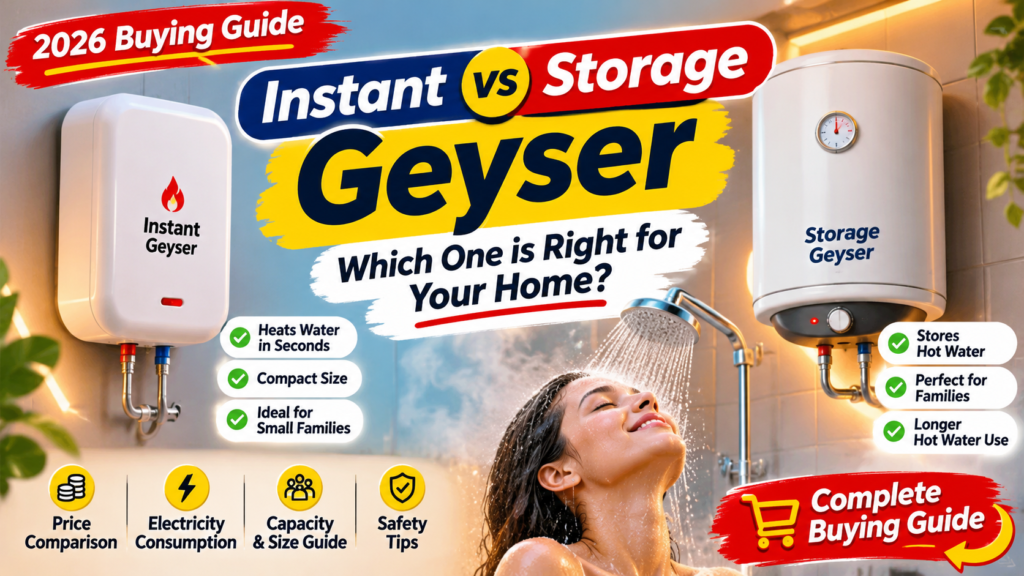
Cold mornings make one household purchase feel surprisingly important: a reliable geyser. But when you start shopping, the choice gets confusing fast. Should you buy a compact 3-litre instant water heater, a 10-litre storage model, or something bigger for the whole family?
The answer depends less on the brand name and more on how you use hot water. Here is a practical India-focused guide to choosing the right geyser for winter 2026 without overspending.
Instant vs storage geyser: what is the real difference?
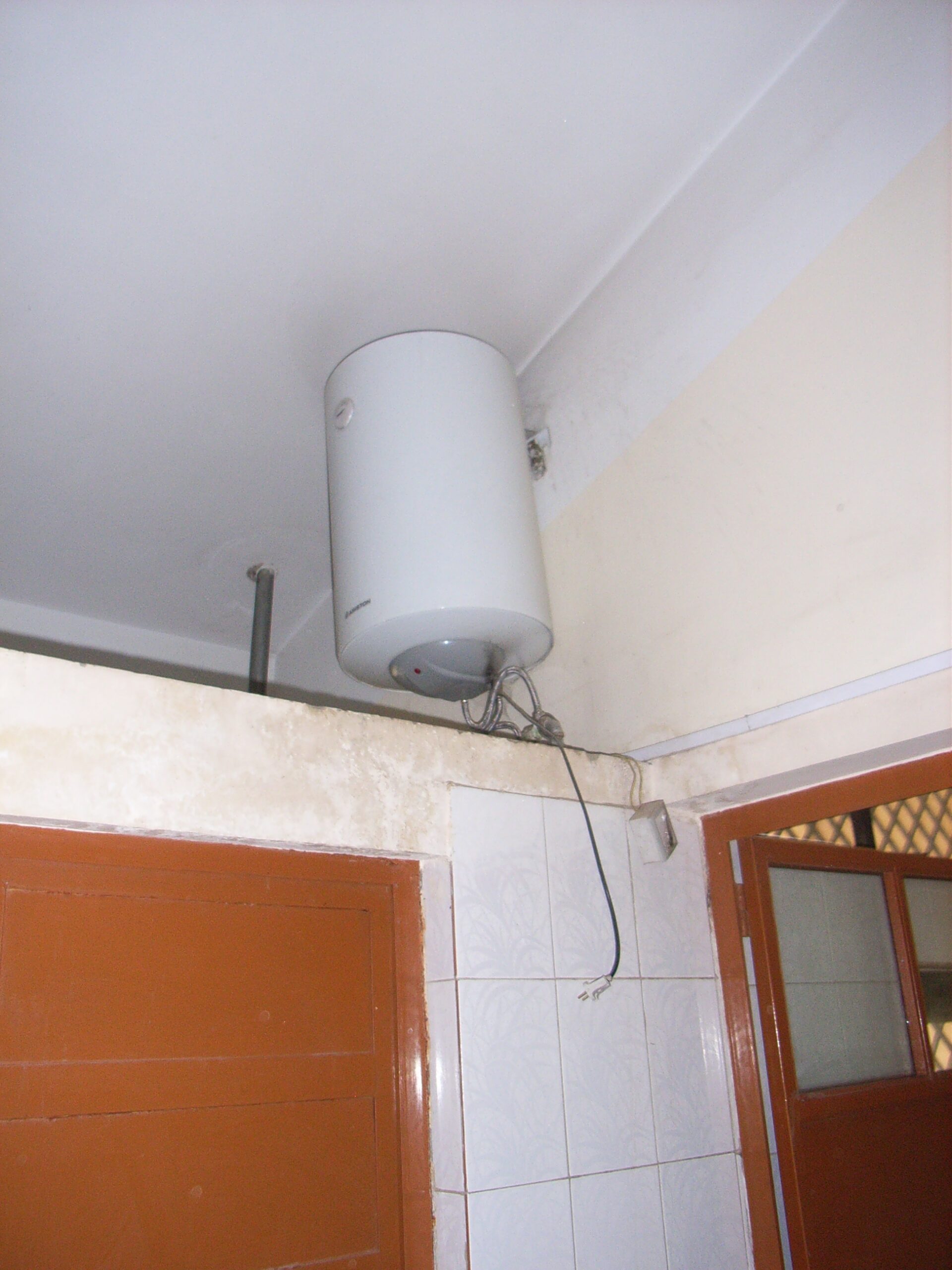
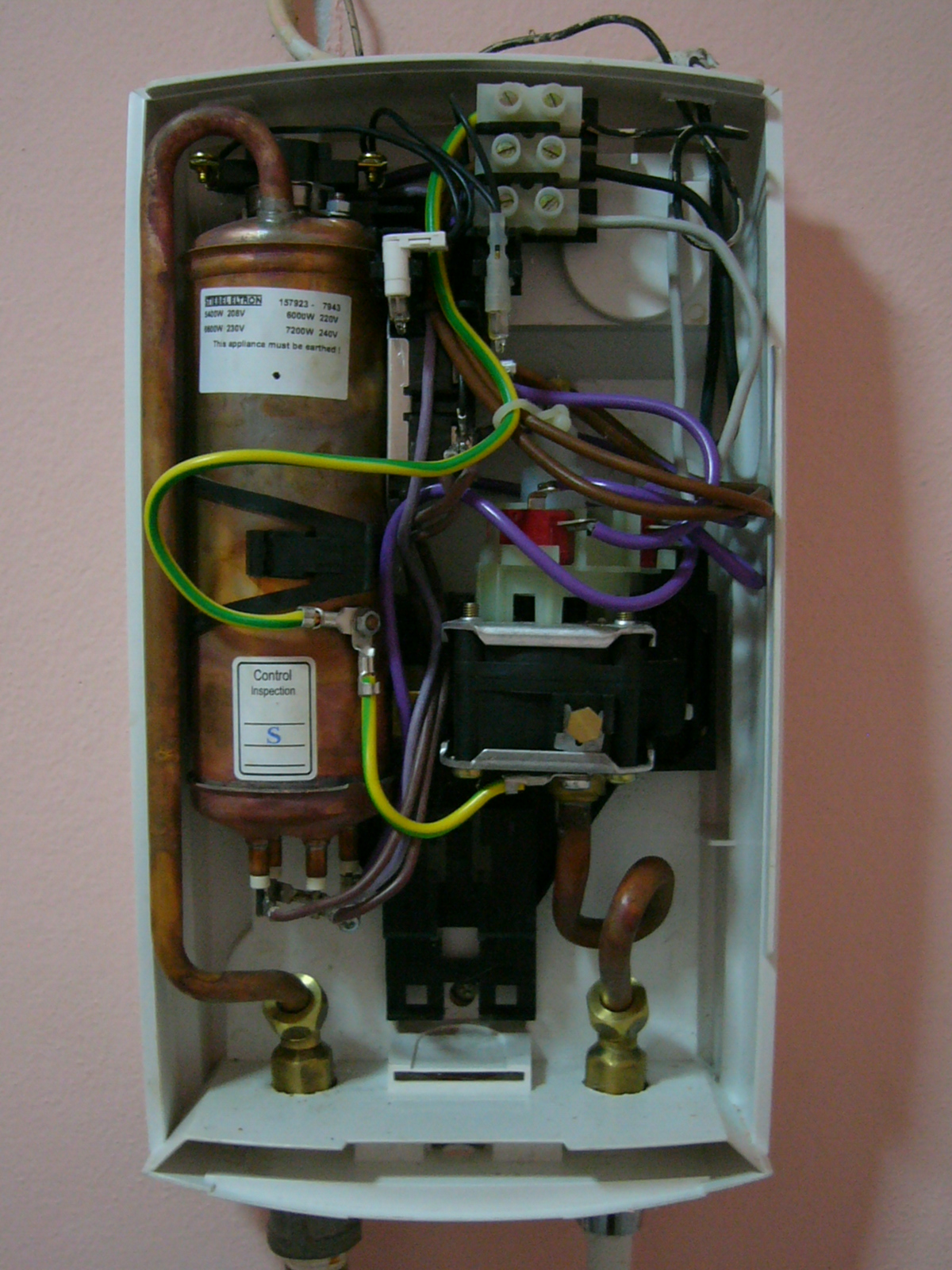
An instant geyser heats a small amount of water quickly while a storage geyser heats and holds water in an insulated tank. Neither wins for every home. A small instant unit can be convenient for washing hands or utensils. For comfortable bucket baths or showers, a correctly sized storage heater is often more practical.
| Feature | Instant water heater | Storage water heater |
|---|---|---|
| Typical use | Quick, small hot-water needs | Bathing and repeated use |
| Common capacities | 1–5 litres | 10–25 litres or more |
| Space | Usually compact | Needs more wall space |
| Hot-water supply | Limited by flow and heating power | Tank provides a ready volume, then reheats |
| What to check | Power rating, wiring, flow rate | Tank size, insulation, BEE label |
Which geyser size should you buy?
3–5 litre: for a kitchen or quick washing
A compact instant heater makes sense when you need small amounts of warm water. Do not assume a 3-litre model will provide an uninterrupted hot shower: performance depends on incoming water temperature, electrical power and flow rate.
10–15 litre: a sensible starting point for one bathroom
For a person taking a bucket bath, 10 or 15 litres can be a practical starting range, especially when heated water is mixed with cold water. Actual needs differ with weather, preferred temperature and how many people bathe in sequence.
25 litre: consider it for longer showers or back-to-back use
A larger insulated tank may be worth considering for a family or a bathroom used frequently. It takes more space and can cost more initially, so make sure you genuinely need the extra capacity.
Is a 5-star geyser worth it?
For storage electric water heaters, India’s Bureau of Energy Efficiency (BEE) labelling programme helps shoppers compare efficiency. The star rating reflects how effectively the insulated tank limits heat loss under defined test conditions, rather than promising a fixed reduction in your electricity bill. Check the current label and rating period on the exact model before purchase.
See the official BEE Standards & Labelling programme for background. Electricity use also depends on how much hot water you consume and the temperature rise needed.
Seven checks before you spend your money
- Match the heater to your routine. Quick kitchen use and long bathroom showers need different solutions.
- Check your home’s water pressure. In a high-rise building or with a pressure pump, confirm that the model’s rated pressure suits your plumbing.
- Check electrical compatibility. High-power instant heaters may require suitable dedicated wiring and protection; use a qualified electrician.
- Look for safety protections. A functioning thermostat, thermal cut-out, pressure-relief safety valve and proper earthing matter more than decorative features.
- Compare tank warranty separately from product warranty. Read exclusions for water quality and installation.
- Consider installation charges. Pipes, valves, fittings and electrician charges can change the final cost.
- Compare the full checkout price. Check delivery, installation, seller reputation and return terms rather than relying on a crossed-out MRP.
Common buying mistakes
The biggest mistake is choosing by discount percentage alone. A very cheap heater may cost more if it does not suit your bathroom, needs extra fittings or has poor after-sales support. Another mistake is comparing an instant heater’s wattage with a storage heater’s star rating as though they measure the same thing. They do not.
Our quick recommendations by use case
- Small kitchen: consider a compact instant model with the right electrical and pressure ratings.
- Single-person bathroom: compare 10–15 litre storage models based on your bathing habits.
- Family bathroom: consider 15–25 litre storage models and factor in consecutive use.
- High-rise apartment: put pressure rating and certified installation near the top of your checklist.
For product specifications and pressure/safety examples, review the AO Smith India water-heater guides. These are reference sources, not an endorsement of any particular model.
Where to compare prices safely
Look at the same capacity, model number, power rating, warranty and included accessories on multiple stores. Our Amazon vs Flipkart buying guide can help with seller and return checks. If a promotion sounds unbelievable, read our guide to spotting fake online deals before paying.
Shopping tip: If you see a geyser listed as “free installation,” check whether pipes, valves or fittings are extra. That small line in the terms can affect the real bargain.
FAQs
Which is better: instant or storage geyser?
Instant is often convenient for small amounts of hot water. Storage is commonly more suitable for regular bathing. The better option depends on demand, flow rate and electrical capacity.
Is a 15-litre geyser enough for two people?
It can be, especially for bucket baths with some reheating time. Long showers or consecutive use may justify a larger tank.
Does a higher-wattage geyser always increase the electricity bill?
Not automatically. Wattage affects how fast power is consumed, while total energy depends on wattage multiplied by running time, heat losses and the amount of water heated.
Should I install a geyser myself?
No. Use a qualified professional and follow the manufacturer’s installation and earthing requirements. Incorrect installation can cause serious electrical or pressure-related hazards.
Final verdict
For most households, the smartest buy is not the most advertised geyser. Choose the right capacity, reliable safety features, appropriate pressure rating and good after-sales support. Spend a few minutes checking those details now, and your winter mornings will be much more comfortable.
Updated 19 November 2026. This is a general buying guide, not a live price comparison or sponsored product ranking.