
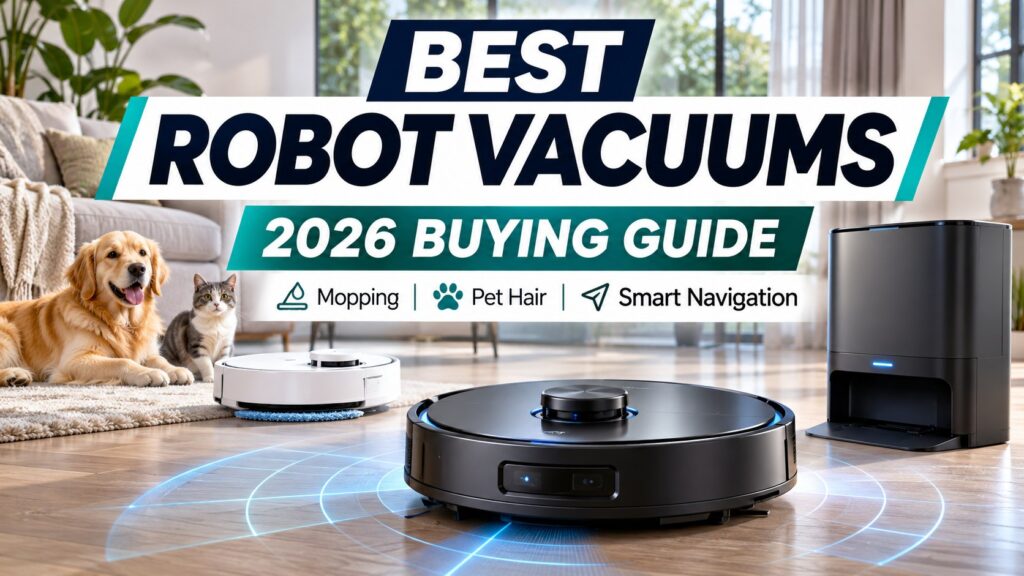
Updated November 2026. Robot vacuums have moved far beyond little machines that bump around your furniture. Today’s choices range from affordable mapping robots to sophisticated vacuum-and-mop systems with self-cleaning docks. But that doesn’t mean the most expensive one is the right one for your home.
If you’re shopping in the US, UK, Canada, Australia, Europe or elsewhere, this guide explains which features are worth paying for, what to check before buying and where marketing claims can be misleading. We have not personally tested every model; this is a research-based buying guide drawing on independent comparisons.
Quick answer: which robot vacuum should you buy?
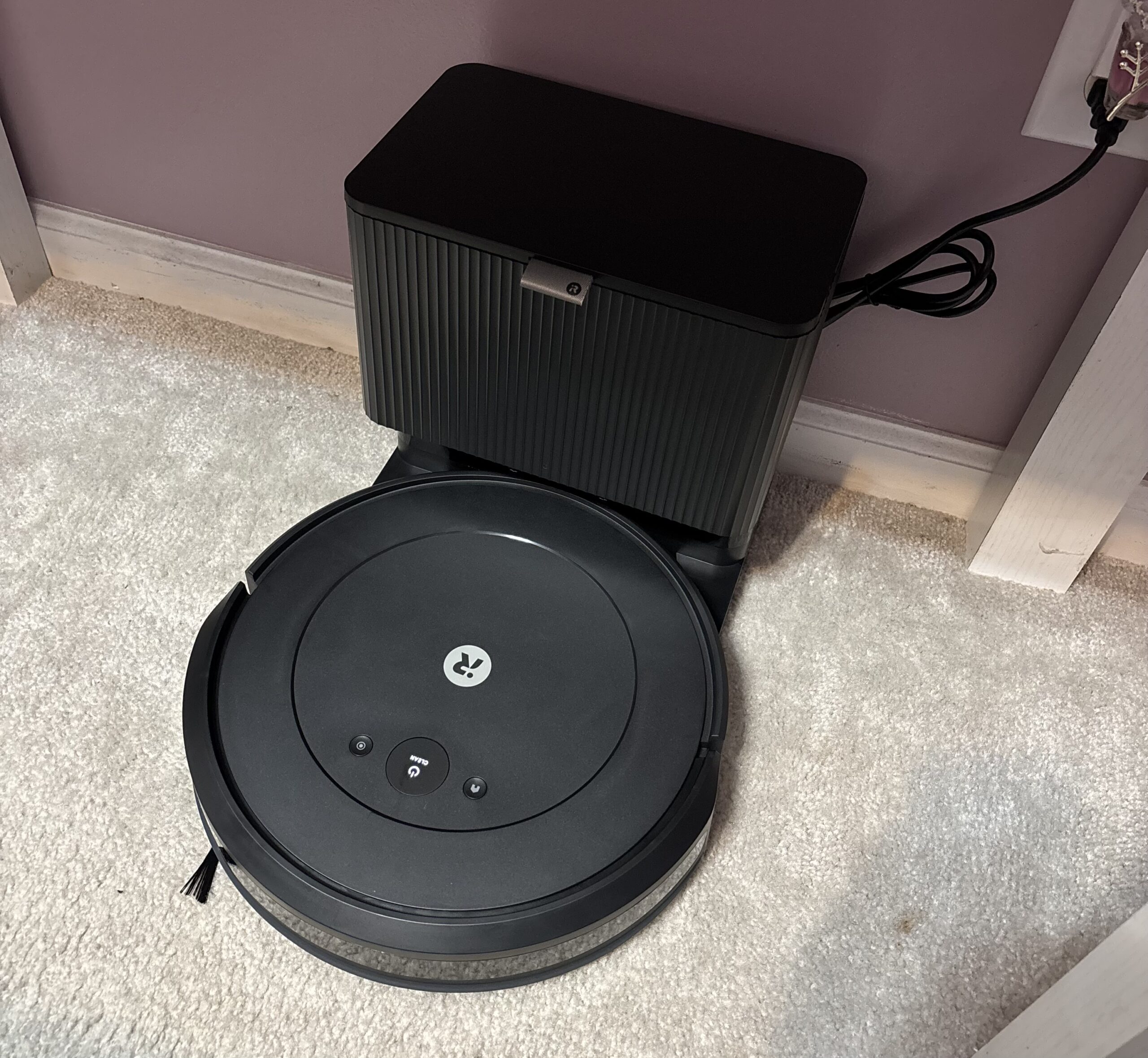
- For a first robot vacuum: choose reliable LiDAR room mapping, a usable app and replacement parts you can actually buy locally.
- For carpets and pet hair: prioritise independent hair pickup and carpet cleaning tests, an anti-tangle brush and a self-emptying dock if your budget allows.
- For mostly hard floors: consider a combined vacuum-and-mop model, especially if the dock washes and dries mop pads.
- For busy, cluttered homes: obstacle recognition matters more than the highest advertised suction number.
- For a small apartment: a simpler midrange model may do the job without the space and cost of a bulky dock.
Why robot vacuums are drawing attention in 2026
Consumer interest in automated cleaning is substantial, and current comparisons by RTINGS and Vacuum Wars cover a rapidly expanding range of features. That does not establish that robot vacuums are the single most-searched product worldwide. It does show why they are a useful category for buyers to research: there are major practical differences between entry-level and premium machines.
1. Navigation: LiDAR, cameras or basic bump sensors?
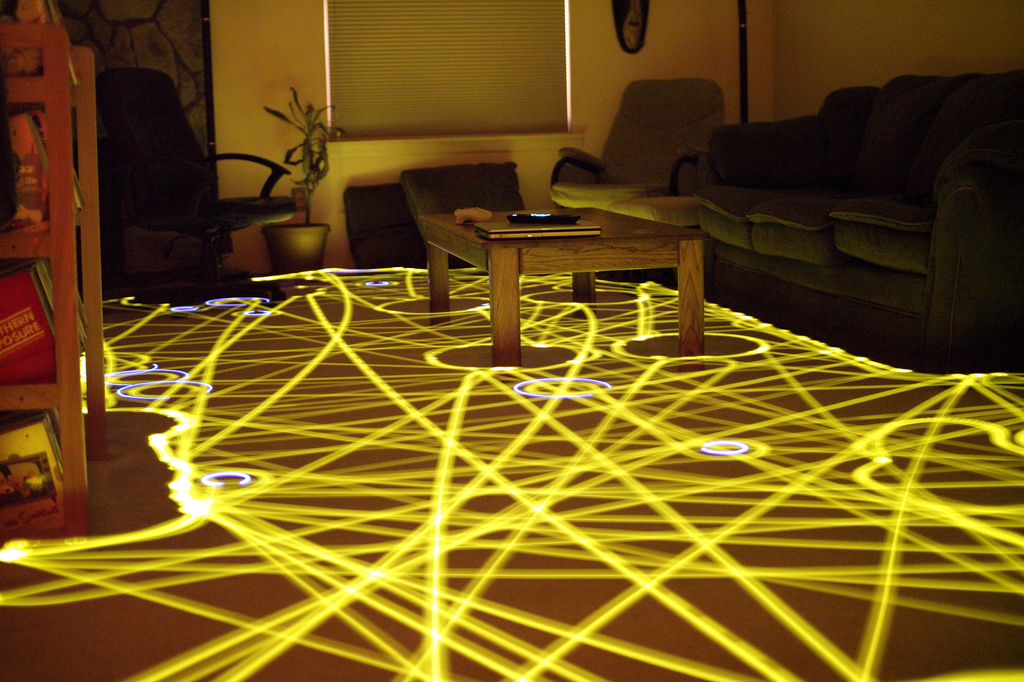
LiDAR uses laser distance measurements to build a room map and plan cleaning routes. Good mapping makes it easier to divide rooms, set no-go zones and resume after recharging. Camera-based and structured-light sensors can help identify objects in the robot’s path. Some systems combine sensors. Basic navigation robots often cost less but may cover rooms less systematically.
Important distinction: mapping is not the same as obstacle avoidance. A vacuum can know the layout of your home and still get tangled in a charging cable. If you regularly have toys, shoes or pet-related messes on the floor, seek independently tested obstacle avoidance rather than relying solely on a claim like “AI navigation.”
2. Suction power: why a bigger Pa number isn’t everything
Brands advertise suction in pascals (Pa), but that figure alone cannot tell you how much dust, cereal or hair a robot will actually remove. Brush design, airflow, floor contact, navigation and cleaning passes matter. A high claimed Pa figure is not a substitute for real-world pickup results. Check tests on both hard floors and the type of carpet you own. RTINGS provides measured performance comparisons.
3. Robot vacuum vs robot vacuum-and-mop
A plain vacuum is often enough if your priority is crumbs, dust and pet hair. A mop combination can help maintain tile, vinyl and sealed hard floors. There are several mop designs: a simple dragging pad, rotating pads and roller-style systems. More advanced units may raise the mop over carpet, clean pads at the dock and refill clean water. Even the best everyday robot mop does not fully replace periodic hand cleaning of stubborn stains.
Before buying: verify that the mop actually lifts high enough for your rugs, that the floor finish is compatible with wet cleaning and that the cleaning solution recommended by the maker is available where you live.
4. Is a self-emptying dock worth paying extra?
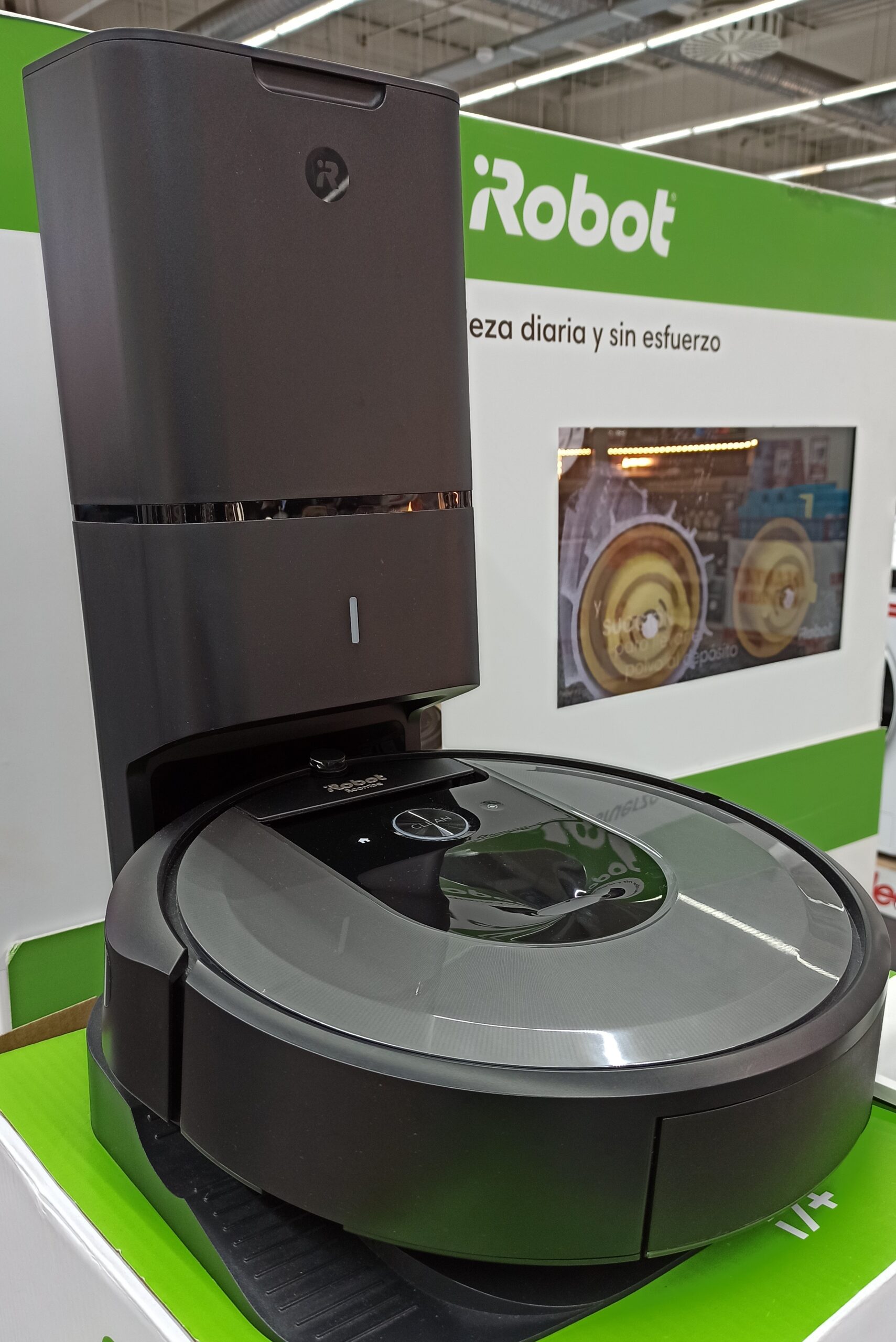
For allergy-conscious households, busy families and people who dislike emptying a tiny dustbin every day, an auto-empty dock can make ownership easier. More elaborate docks can wash and dry mop pads and handle water tanks. But they are larger, noisier during emptying and more expensive to maintain. Check dust bag costs, water tank cleaning requirements and how much clear floor space the dock needs.
5. Shopping checklist: seven details many buyers miss
- Floor mix: hard floor, low-pile carpet and thick rugs need different strengths.
- Thresholds: measure door saddles and raised transitions, then check the manufacturer’s climbing limit.
- Furniture clearance: compare robot height with the gap under your sofa and bed.
- Wi-Fi requirements: confirm your phone, router and region are supported, especially if a product is imported.
- Consumables: check genuine brushes, filters, pads and dust bags before purchasing.
- Support: prefer brands with local warranty coverage and repair options.
- Privacy: if a robot has cameras, read its image-processing and cloud-data controls before enabling them.
6. Realistic price tiers in international markets
Prices move with discounts, country and exchange rates. As a broad US-dollar shopping framework, not a live price quotation, look at roughly under $300 for basic-to-capable mapped cleaning, $300–$700 for more convenience and stronger combinations, and $700+ for premium all-in-one stations and advanced obstacle handling. Some expensive flagships cost considerably more. Compare the total cost of ownership, not only the checkout price.
| Priority | Features to look for | What to skip first |
|---|---|---|
| Lowest cost | Reliable mapping, app, brushes, parts | Self-washing mop dock |
| Pets and carpets | Hair pickup test results, anti-tangle brush, auto-empty | Decorative app features |
| Mostly hard floors | Effective mop, pad lift, washable dock | Extreme suction claims |
| Cluttered family home | Proven cable and object avoidance | Unverified “AI” labels |
7. Which brands should you compare?
Depending on country and model availability, useful starting points include Roborock, Dreame, Eufy, iRobot Roomba, Ecovacs and Narwal. Do not assume every product within one brand performs equally well. Look up the exact model, year, replacement-part availability and local support. For current independently tested model shortlists, consult Vacuum Wars and RTINGS.
8. How to avoid a bad deal during Black Friday or holiday sales
First, note the model number and its normal recent price. Next, compare the manufacturer’s store with reputable retailers in your country. Check whether a bundle includes the self-emptying station, replacement bags and mop components; similar product names can conceal different packages. Read the seller’s warranty and return terms before paying. For general discount checks, see our guide to smarter AI-assisted shopping.
Frequently asked questions
Can a robot vacuum replace a regular vacuum?
For everyday surface dust and crumbs, it can substantially reduce manual cleaning. A conventional vacuum is still useful for stairs, upholstery, deep carpet cleaning and awkward corners.
Are robot vacuums good for pet hair?
Many are, but results depend on carpet, brush construction and maintenance. Use independent pet-hair test results, not suction marketing alone.
Should I buy a robot vacuum with a camera?
A camera may improve object recognition, but is not essential in every home. Check privacy settings and whether navigation works well without cloud features.
How often do I need to maintain one?
Regularly remove hair from brushes, wipe sensors, check filters and maintain mop pads or water tanks in line with the owner’s manual. An auto-empty dock reduces bin work but does not eliminate upkeep.
What’s the best robot vacuum in 2026?
There is no universal best for every budget and floor plan. Decide whether carpet pickup, mopping, obstacle avoidance, quietness or low maintenance matters most—then compare independent tests for specific models sold in your country.
Our verdict
For most first-time buyers, the sweet spot is a dependable mapped robot with accessible spare parts and good cleaning results on your actual floor type. Spend more on a dock or obstacle avoidance only when those features solve a real problem in your home. That usually leads to a more satisfying purchase than choosing whichever model advertises the largest suction number.
Editorial note: This is an independent research-based buyer’s guide; not a hands-on product test. Prices vary by region and date. Product availability, warranty and features must be verified with the retailer. Images are credited under their respective Creative Commons licences, which may require attribution/share-alike on reuse.